


The most common process for the production of sintered dolomite is a single stage firing process in a shaft kiln or a rotary kiln. The raw dolomite is charged into the kiln and, while progressing through the kiln, it gets decomposed in two steps. In the first step CO2 is released from the MgCO3 component of the dolomite starting at around 550 deg C and in the second step CaCO3 component is decomposed at temperatures around 810 deg C.
After complete calcination, the calcined dolomite is further heated to the sintering temperature. At this temperature, the porosity of the already calcined material reduces resulting in an increased bulk specific density of the product which is vital for refractory applications.

When dolomite is used as refractory material, then it is used in form of sintered dolomite. Sintered dolomite is used in steel making for the production of tar dolomite bricks, pitch impregnated dolomite bricks or resin bonded dolomite bricks for the lining of BOF vessel, AOD (argon oxygen decarburization) vessel, and to a lesser extent electric arc furnace. These bricks are also used for the lining of the steel ladles.
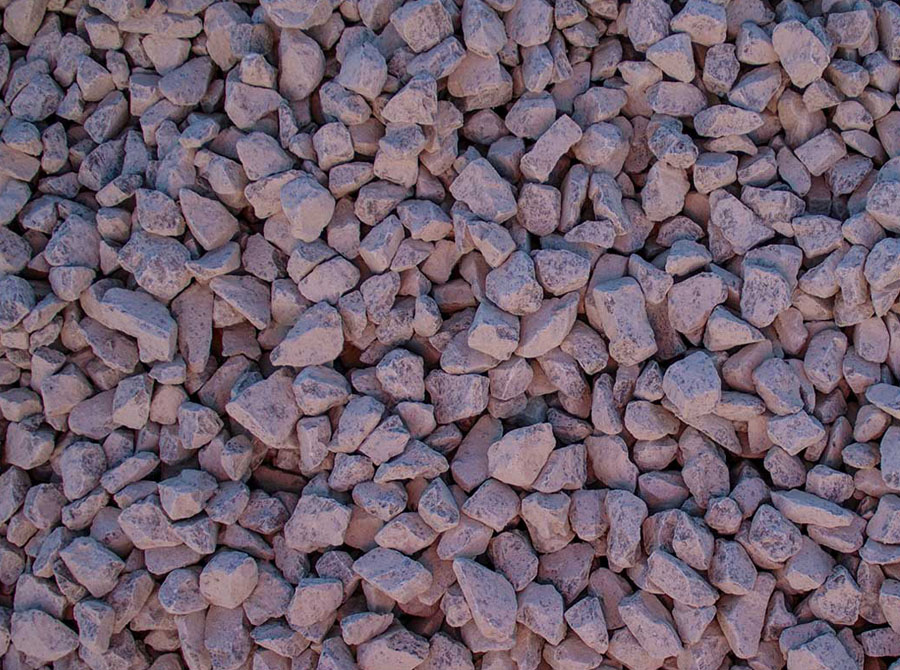


Sintered dolomite is used for making refractory products. Sinter dolomite is also known as dead burned dolomite which is made by heating the raw dolomite at a temperature which is higher than 1650 deg C and preferably exceeding 1800 deg C.
Calcination Temperature: 1850-2000℃
The final product will be sintered dolomite or sintered magnesia. The sintered dolomite will be as the raw materials to produce sintered dolomite brick used in AOD furnace in steelmaking field.
Sintered Dolomite, also known as Dead-Burned Dolomite (DBD), is the product resulting from calcining the dolomite from 1,850ºC to 2,000ºC for a period of time, thus obtaining magnesium oxide crystals (periclase) and of calcium oxide. This product is an alternative to Magnesite

Dolomite
Calcined dolomite
Sintered dolomite
Magnesium ingot
© 2022 CalDolit. All rights reserved


